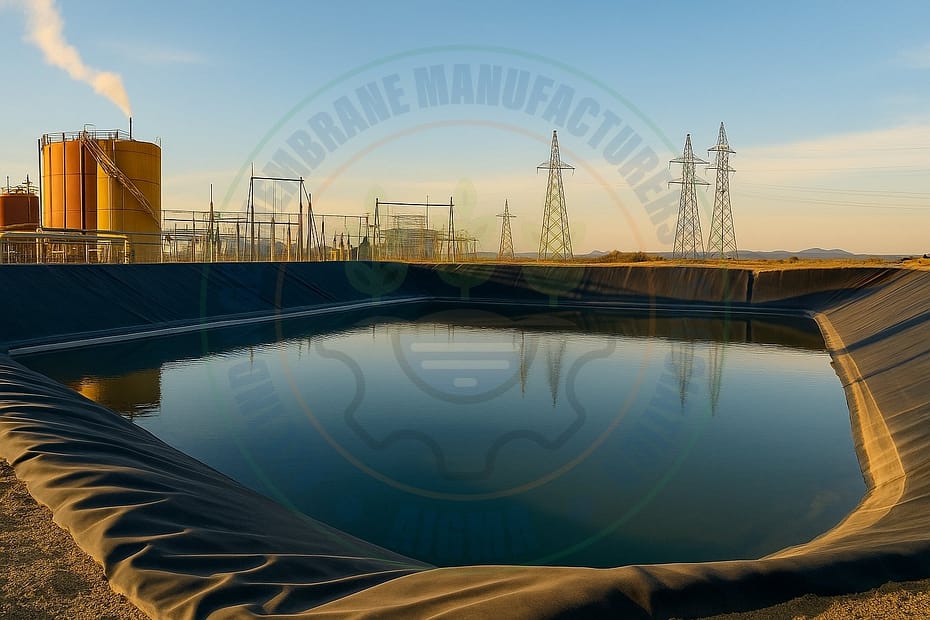
Contamination of soil and groundwater is one of the most serious environmental challenges posed by modern industrial, agricultural, and waste management activities. Once polluted, these natural resources are extremely difficult—and expensive—to restore. Preventing contamination at the source is not just cost-effective but critical for environmental sustainability and public health. One of the most reliable and proven methods of doing so is the use of geomembranes.
🔒 The Role of Geomembranes as a Protective Barrier
Geomembranes are impermeable synthetic liners, typically made of HDPE, that act as a physical barrier between harmful substances and the environment. When used in the base or lining of landfills, waste pits, or industrial storage areas, geomembranes prevent leachate and chemicals from seeping into surrounding soil or leaching into underground water reserves.
Unlike compacted clay or soil liners, geomembranes are highly resistant to a wide range of chemical exposures, have extremely low permeability, and maintain integrity over long periods—even in harsh weather and high-load conditions.
💧 Real-World Applications Where Contamination Risk Is High
Geomembranes are used extensively in:
- Landfills to contain solid and hazardous waste
- Effluent ponds and lagoons in industries and agro-based plants
- Oil and chemical storage facilities
- Mining sites, especially for tailing ponds and heap leach pads
- Compost yards and biogas units to prevent leachate seepage
In all these cases, the goal is to isolate potentially harmful liquids from natural systems—something geomembranes are engineered to do.
📋 Why Groundwater Protection Matters
Groundwater contamination often goes undetected until it reaches wells or drinking water sources, by which point the damage is already extensive. Contaminants like heavy metals, nitrates, industrial solvents, and pathogens can persist in aquifers for decades, impacting agriculture, human health, and biodiversity.
Installing geomembrane barriers in high-risk zones ensures:
- Long-term protection of groundwater resources
- Reduced environmental liability for facility operators
- Compliance with environmental regulations and standards
- Safeguarding of community health and agricultural land
📌 Conclusion
Preventing soil and groundwater contamination isn’t just a regulatory checkbox—it’s a foundational responsibility for industries, municipalities, and waste management authorities. Geomembranes offer a durable, cost-effective, and proven solution to contain pollutants and protect our most vital resources. When designed and installed correctly, they provide peace of mind for decades, safeguarding ecosystems and communities alike.